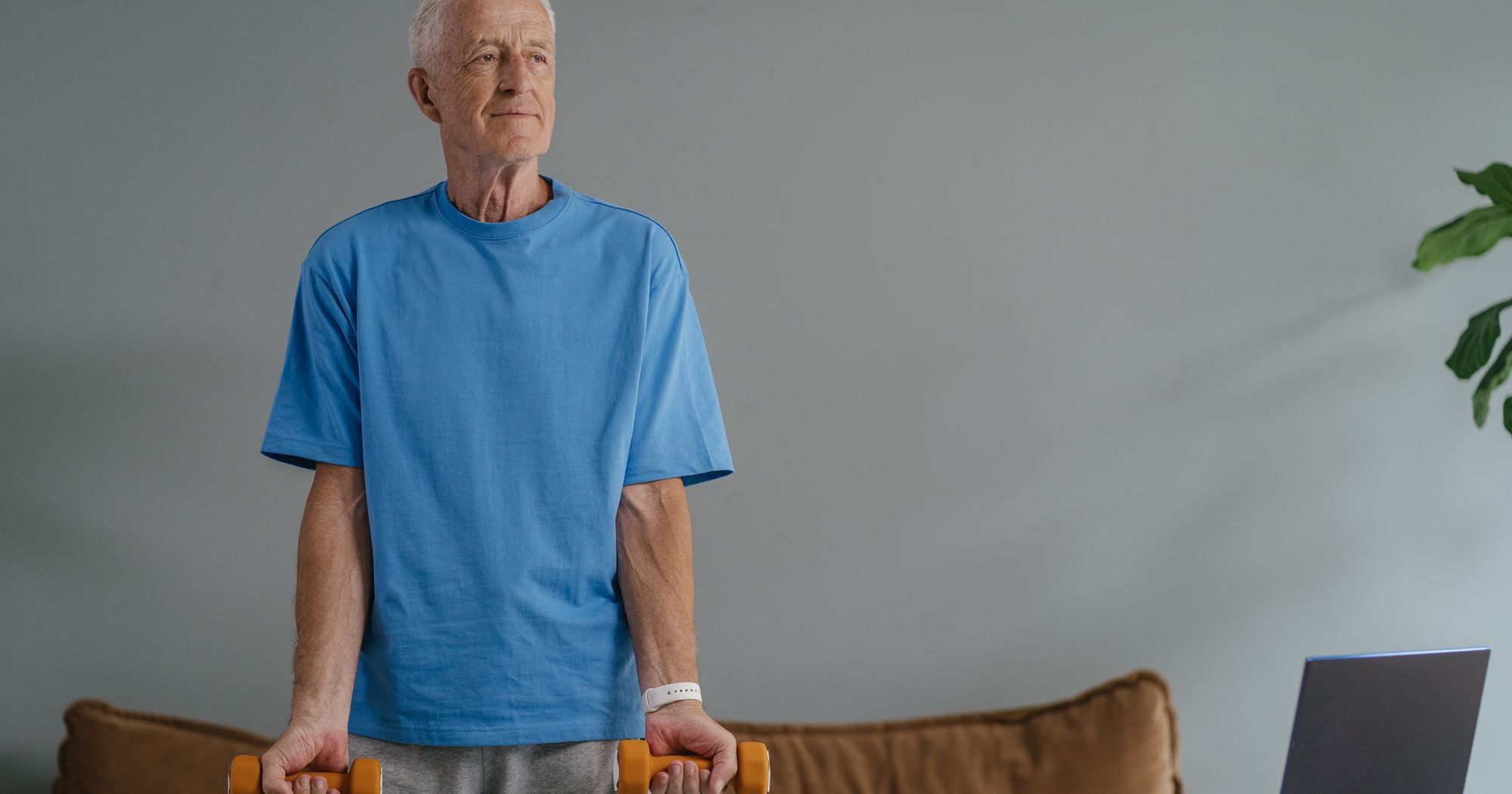
Most of us hope for the same thing as the years pass: to keep living on our own terms. We want to climb our own stairs, cook our own meals, see our grandchildren, and make our own decisions. The good news is that independence in later life is shaped by far more than genes or luck. Daily habits and timely medical care make a real difference.
What healthy aging really means
Healthy aging does not mean avoiding every illness or looking young. It means preserving the abilities that matter to you: walking, thinking clearly, managing your own health, and staying connected to people and activities you love. Researchers often call this “functional ability,” and it is a better predictor of quality of life than any single lab value.
Some change is normal. Muscle mass gradually declines, reaction time slows a little, and recovery takes longer. But many changes once blamed on age alone, such as severe weakness, frequent falls, or major memory loss, are often influenced by factors we can address.
Who is affected and why it matters
Everyone ages, but the choices that protect independence start earlier than many people expect. Muscle and bone health begin to shift in midlife, and blood pressure, blood sugar, and cholesterol quietly affect the heart and brain for decades. Adults of any age benefit from these steps, and it is rarely too late to start.
Falls are a good example of why this matters. In older adults, a fall can lead to a fracture, a hospital stay, and a loss of confidence that makes people move less, which weakens them further. Preventing that cycle is one of the most valuable goals in later-life care.
What the research shows
Large studies consistently point to a few pillars. Regular physical activity lowers the risk of falls, heart disease, diabetes, depression, and cognitive decline. Resistance training in particular helps older adults maintain muscle and bone, and balance-focused exercise such as tai chi has been shown to reduce falls.
Nutrition matters too. Eating patterns rich in vegetables, fruit, legumes, fish, and olive oil are linked with better heart and brain health. Adequate protein helps preserve muscle. Good sleep supports memory and mood, and strong social ties are associated with longer life and lower dementia risk.
Independence in later life is shaped by far more than genes or luck.
Practical steps you can start now
You do not need to change everything at once. Pick one or two habits and build from there:
- Strength training two or more days a week, plus regular walking or other aerobic activity
- Balance practice such as standing on one foot near a counter, tai chi, or yoga
- Protein at each meal, with plenty of vegetables, fruit, whole grains and healthy fats
- Seven to nine hours of sleep and a consistent sleep schedule
- Regular time with friends, family, neighbors or community groups
- Yearly review of every medication and supplement you take
The role of preventive primary care
A steady relationship with a primary care doctor helps catch problems early and keeps the whole picture in view. Routine care for older adults often includes blood pressure and diabetes checks, cholesterol management, recommended vaccines and cancer screenings, bone density discussions, and vision and hearing checks. Untreated hearing loss and poor vision, for example, are linked to isolation, falls, and cognitive decline.
Medication review is just as important. As people see more specialists, prescriptions can pile up, and some combinations raise the risk of dizziness, confusion, or falls. A clinician who knows your history can help simplify and adjust.
Signs worth discussing with your doctor
Do not dismiss new changes as “just getting older.” Talk with your doctor if you notice unexplained weight loss, new unsteadiness or a fall, increasing forgetfulness that affects daily life, persistent low mood, trouble sleeping, or withdrawing from activities you once enjoyed. Many of these have treatable causes, and early attention gives you more options.
Take the next step
Staying independent is a long-term project, and you do not have to plan it alone. If you would like to talk through your goals, review your health, and build a prevention plan that fits your life, call the office or reach out through our contact page. Small steps taken today can protect the years ahead.