Chronic Disease Management in West Hollywood
Primary care for long-term conditions such as diabetes, high blood pressure, high cholesterol, and thyroid disease. Dr. Chetver focuses on clear goals, careful follow-up, and a plan you can actually live with.
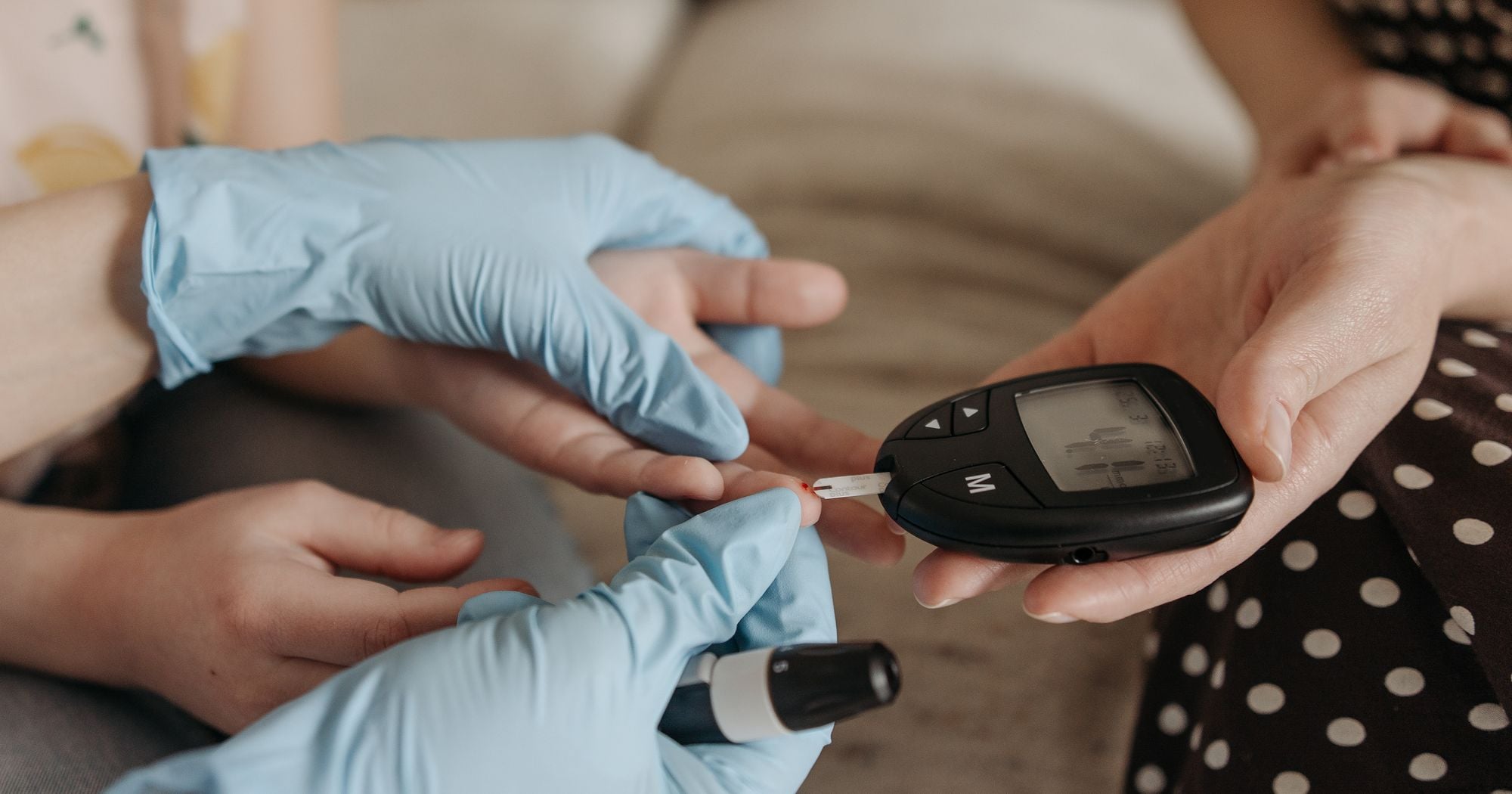
What is Chronic Disease Management?
Chronic disease management is the ongoing, coordinated care of health conditions that last a year or longer and usually require regular attention. Rather than treating each visit as an isolated event, it looks at trends over time: blood pressure readings, lab values, symptoms, medications, and daily habits.
It helps adults living with conditions like type 2 diabetes, hypertension, elevated cholesterol, asthma, thyroid disorders, and kidney disease, as well as people with prediabetes or several risk factors at once. Many of these conditions develop quietly, so you may feel well while damage to blood vessels, nerves, or organs slowly builds.
The evidence is consistent: regular monitoring, treatment to evidence-based targets, healthy eating, physical activity, and good medication adherence reduce the risk of heart attack, stroke, kidney failure, and other complications. A primary care physician who knows your whole history is well placed to bring these pieces together for patients in West Hollywood and beyond.
Signs this care may be right for you
- A diagnosis of diabetes, prediabetes, high blood pressure, or high cholesterol
- Ongoing conditions such as asthma, thyroid disease, or chronic kidney disease
- Blood tests or home readings that keep drifting out of the target range
- Taking several medications and unsure how they work together
- Fatigue, thirst, swelling, shortness of breath, or headaches that come and go
- Frequent urgent care or emergency visits for the same problem
What to Expect
- Thorough initial assessment of your history, medications, labs, and routines
- Personalized plan with realistic goals such as blood pressure, A1c, or cholesterol targets
- Ongoing follow-up with treatment adjustments as your results change
- Monitoring for complications and keeping preventive care current
- Coordination with your specialists and medication review
Our Approach to Chronic Disease Management
Initial Assessment
We begin with a thorough review of your history, current medications, prior lab results, family background, and daily routines. Examination and targeted testing establish a clear baseline, so we know exactly where each condition stands.
Personalized Plan
Together we set realistic goals, such as blood pressure targets, A1c goals, or cholesterol levels. The plan covers medication choices, nutrition, activity, sleep, and stress, and it is built around your life rather than a generic template.
Ongoing Support
Chronic conditions change over time. We follow your results, adjust treatment when needed, watch for complications, and keep your preventive care current so small changes are caught early.
Benefits
Clear goals
Together we set realistic goals, such as blood pressure targets, A1c goals, or cholesterol levels.
Careful follow-up
We follow your results, adjust treatment when needed, watch for complications, and keep your preventive care current so small changes are caught early.
A plan built around your life
The plan covers medication choices, nutrition, activity, sleep, and stress, and it is built around your life rather than a generic template.
Lower risk of complications
Regular monitoring, treatment to evidence-based targets, healthy eating, physical activity, and good medication adherence reduce the risk of heart attack, stroke, kidney failure, and other complications.
What to Expect
First Visit
A detailed conversation, examination, and review of records. We order any labs needed and agree on priorities.
Week 2-4
We review test results together, finalize your plan, and make first adjustments to medications or home monitoring.
Month 1-3
Follow-up to check home readings, side effects, and progress. Doses and routines are fine-tuned as your numbers respond.
Long-term
Regular check-ins, periodic labs, and screening for complications. Many people see steady improvement, though chronic conditions need continued attention.
Treatments and tools we use
Treatment is tailored to the condition and the person. It may include prescription medication chosen for effectiveness, tolerability, and your other health needs, with doses adjusted based on your response. Laboratory monitoring such as A1c, lipid panels, kidney function, and thyroid levels guides these decisions.
Lifestyle medicine is equally important: nutrition guidance, activity planning, sleep, weight management, alcohol and tobacco reduction, and stress strategies. Home tools such as blood pressure cuffs or glucose monitors can give a fuller picture between visits, and we review what the numbers mean so you feel in control, not overwhelmed.
Timeline Note
Progress varies from person to person. Results depend on the condition, how long it has been present, and many individual factors.
Common Questions About Chronic Disease Management
Which conditions are considered chronic diseases?
Chronic diseases are long-lasting conditions that usually need ongoing care. Common examples include type 2 diabetes, hypertension, high cholesterol, asthma, thyroid disorders, and chronic kidney disease. If you are unsure whether your condition fits, call the office to ask.
Can a chronic condition be reversed?
Some conditions, such as prediabetes or early type 2 diabetes, can go into remission with sustained lifestyle change and sometimes medication. Others are managed rather than cured. In either case, steady control lowers the risk of heart, kidney, nerve, and eye complications.
How often will I need follow-up visits?
It depends on how stable your conditions are. Visits are usually closer together when starting or changing treatment, and spread out once your numbers are steady. We will agree on a schedule that fits your situation.
Will I have to take medication forever?
Not always. Some people can reduce or stop certain medications after meaningful lifestyle changes, while others need long-term treatment. Any change should be made with your physician, never on your own.
Can you coordinate with my specialists?
Yes. Primary care often acts as the hub of your care. We can review specialist recommendations, help reconcile medication lists, and keep your overall plan consistent. Call the office to discuss your needs.
Ready to Get Help with Chronic Disease Management?
Reach out to Elena Chetver, MD, to talk about your health goals and next steps.
Book an Appointment