High cholesterol Treatment in West Hollywood
High cholesterol quietly raises your risk of heart attack and stroke, but it is one of the most treatable risk factors in medicine. Our primary care approach in West Hollywood combines careful testing, a plan built around you, and follow-up that keeps your numbers moving in the right direction.
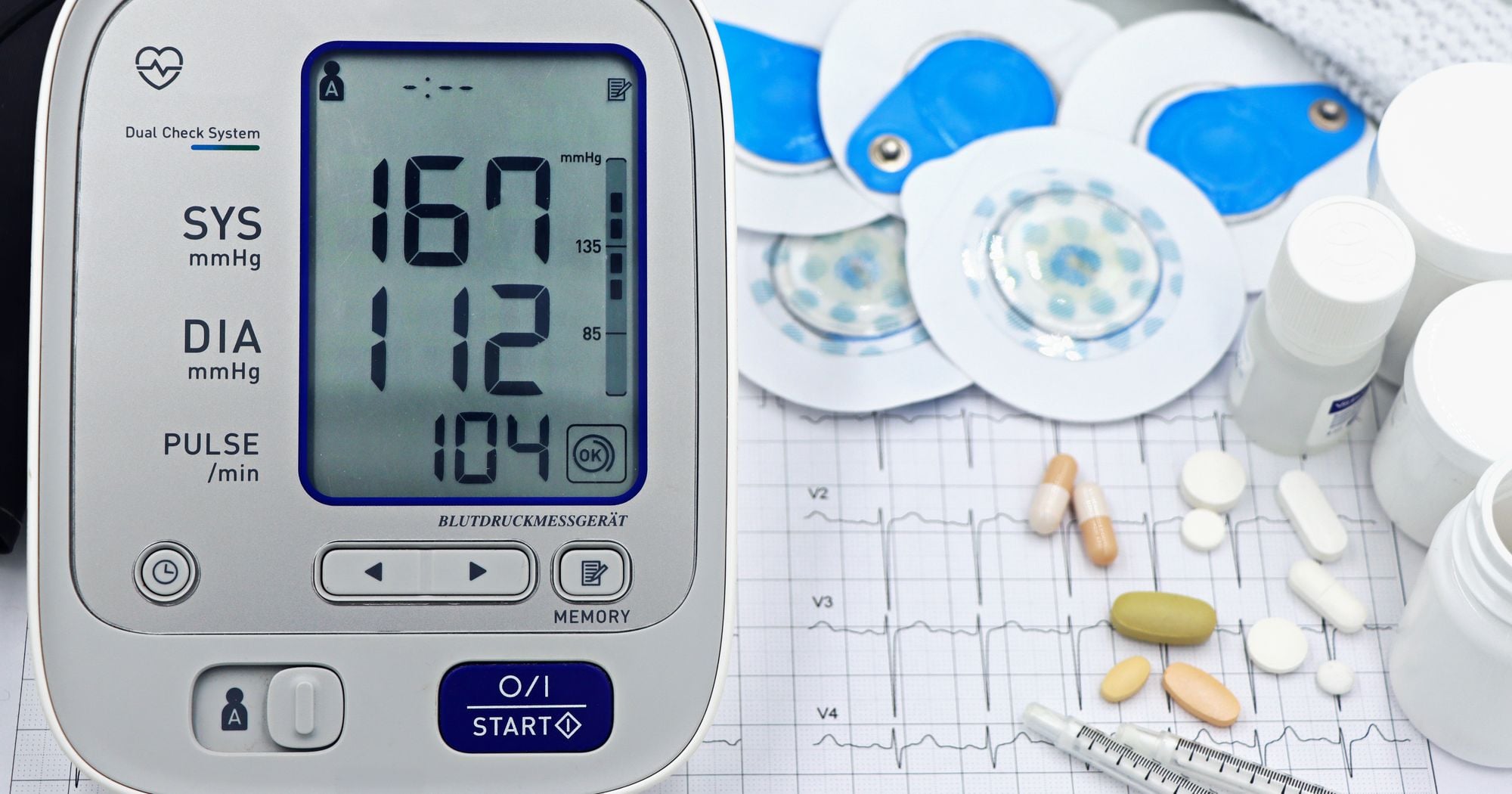
Understanding High cholesterol
Cholesterol is a waxy, fat-like substance your body needs to build cells and make hormones and vitamin D. It travels in the blood on particles called lipoproteins. LDL particles deliver cholesterol to tissues and can deposit it in artery walls, while HDL particles help carry it back to the liver. High cholesterol means too much LDL, often along with high triglycerides or low HDL. It is very common, affecting roughly a third of adults in the United States, and most do not know it because it causes no symptoms. Over years, excess LDL contributes to atherosclerosis, the buildup of plaque that narrows arteries and raises the risk of heart attack, stroke, and peripheral artery disease.
Causes are a mix of inherited and lifestyle factors. Genetics strongly influence how your liver makes and clears cholesterol, and conditions such as familial hypercholesterolemia can cause very high levels from a young age. Diets high in saturated and trans fats, limited physical activity, excess weight, smoking, and heavy alcohol use all push lipids in the wrong direction. Medical conditions including type 2 diabetes, hypothyroidism, kidney disease, and polycystic ovary syndrome can raise cholesterol, as can some medications. Risk tends to climb with age and, for women, after menopause.
Professional treatment matters because the damage happens silently, long before symptoms appear. A clinician can interpret your lipid results in the context of your whole health picture, estimate your ten-year and lifetime cardiovascular risk, look for secondary causes, and decide whether lifestyle changes alone are enough or medication is worthwhile. Regular monitoring also checks that treatment is working and well tolerated. Starting early and staying consistent is one of the most effective ways to protect your heart and brain for the long term.
Signs & Symptoms of High cholesterol
- No symptoms at all. Most people with high cholesterol feel completely well, which is why it is often called a silent condition.
- Elevated LDL on a blood test. A lipid panel showing high LDL ("bad") cholesterol is the most common way the condition is found.
- Low HDL on a blood test. Low HDL ("good") cholesterol reduces the body's ability to clear excess cholesterol.
- High triglycerides. Elevated blood fats often travel with high cholesterol and add to cardiovascular risk.
- Family history of early heart disease. Relatives with heart attacks or high cholesterol at a young age may signal an inherited pattern.
- Related conditions. High blood pressure, prediabetes, diabetes and excess weight frequently appear together with abnormal lipids.
- Yellowish skin deposits. Soft, fatty growths around the eyes or on tendons can appear with very high, often inherited, cholesterol.
- Chest pain or pressure. Discomfort with exertion can mean narrowed heart arteries and needs prompt evaluation.
- Shortness of breath. New breathlessness with ordinary activity may point to heart disease.
- Leg pain when walking. Cramping that eases with rest can signal reduced blood flow from plaque in leg arteries.
- Sudden weakness or numbness. Weakness on one side of the body may be a stroke warning and is an emergency.
- Trouble speaking or seeing. Slurred speech or sudden vision change requires calling 911 right away.
- Unexplained severe abdominal pain. Very high triglycerides can trigger pancreatitis, which needs urgent care.
- Fainting or racing heartbeat. These can accompany heart problems and should not be ignored.
What to Expect
- Lipid panel and related labs to measure your cholesterol and estimate cardiovascular risk
- A plan built around your risk, preferences, and daily life
- Practical nutrition and activity goals, with medication discussed if warranted
- Repeat blood work usually 6 to 12 weeks after starting or changing treatment
- Long-term monitoring, often once or twice a year, to keep progress from being lost
How We Treat High cholesterol
Assessment
We review your history, family background, medications, and habits, and order a fasting or non-fasting lipid panel. We check related measures such as blood pressure, blood sugar, and thyroid function when appropriate. Together these help us estimate your cardiovascular risk and find any underlying causes.
Treatment Plan
We build a plan around your risk, preferences, and daily life. It starts with practical nutrition and activity goals and, if warranted, discusses medication options with their benefits and side effects. You leave knowing your targets and what each step is meant to accomplish.
Ongoing Care
We repeat testing to see how you are responding and adjust the plan as needed. We monitor for side effects and keep an eye on related conditions. Follow-up continues over time so progress is maintained rather than lost.
Benefits
A personalized care plan
Your cholesterol goals reflect your own risk, health history, and preferences, not a one-size-fits-all handout.
Thorough time to ask questions
Understanding your numbers and options helps you stick with a plan, so we make room for your questions.
Coordinated follow-up
Repeat testing and check-ins are planned so adjustments happen on time and your care stays connected.
Your Treatment Journey
First Evaluation (week 1)
We review your history and risk factors, order a lipid panel and any related labs, and talk through your goals. Expect a clear picture of where you stand.
Treatment Begins (weeks 2-4)
You start lifestyle changes and, if chosen, a medication. Mild, temporary side effects can occur, and you can call the office with concerns. Cholesterol does not change overnight, so patience is part of the process.
Progress Review (month 2-3)
We repeat your blood work, usually 6 to 12 weeks after starting or changing treatment. We compare results with your target and adjust the plan if needed.
Long-term Management
Once levels are controlled, we monitor periodically, often once or twice a year. Cholesterol typically rises again if treatment stops, so consistency matters.
Evidence-Based Treatment
Evidence-based treatment begins with lifestyle: a diet rich in vegetables, fruit, legumes, whole grains, nuts, and fish, lower in saturated fat and refined carbohydrates, along with regular aerobic activity, weight management, and quitting smoking. When medication is appropriate, statins are the most widely studied first choice and reduce heart attacks and strokes. Ezetimibe can add LDL lowering by reducing absorption in the gut, PCSK9 inhibitors are options for very high risk or inherited cases, and other agents such as bempedoic acid, fibrates, or prescription omega-3 may be used for specific needs. Choice and dose are individualized, and we recheck levels to confirm the plan is working.
Getting Help
If you recognize these signs, help is available. Early treatment leads to better outcomes.
Common Questions About High cholesterol
How long does high cholesterol treatment take?
Lifestyle changes often show up on a repeat blood test in about 6 to 12 weeks. Cholesterol is usually a long-term condition, so the goal is steady control that continues over years rather than a short course of treatment.
Do I need medication for high cholesterol?
Not always. Medication decisions depend on your LDL level, age, blood pressure, diabetes status, smoking, family history and overall cardiovascular risk. Some people do well with lifestyle changes alone, while others benefit from a statin or another medication. We talk through the options together.
Does insurance cover cholesterol care?
Coverage varies by plan, and this website does not list which plans are accepted. Please call the office to ask about billing and coverage before your visit. Many generic cholesterol medications are available through pharmacies, and we can discuss options.
What if the first treatment does not work?
That is common and adjustable. We recheck your levels, review how consistently the plan is being followed, look for contributing causes such as thyroid problems, and then change the dose, switch medications, or add a second therapy.
Can I lower cholesterol with diet and exercise alone?
For many people, diet and activity make a meaningful difference. Reducing saturated fat, adding fiber, and getting regular exercise can lower LDL. Genetics play a large role, so some people still need medication even with excellent habits.
When should I get my cholesterol checked in West Hollywood?
Adults should have cholesterol screened periodically, and earlier or more often with diabetes, high blood pressure, smoking, or a family history of heart disease. Call the office to schedule a visit and lipid panel.
Related Conditions
Related
High blood pressure
Often found alongside abnormal cholesterol and managed together to lower heart risk.
Related
Type 2 diabetes
Shares metabolic risk factors with high cholesterol and raises cardiovascular risk.
Related
Prediabetes
An early warning that lifestyle changes can improve both blood sugar and lipids.
Get Help for High cholesterol Today
You don't have to face High cholesterol alone. We are ready to help.
Schedule an Appointment