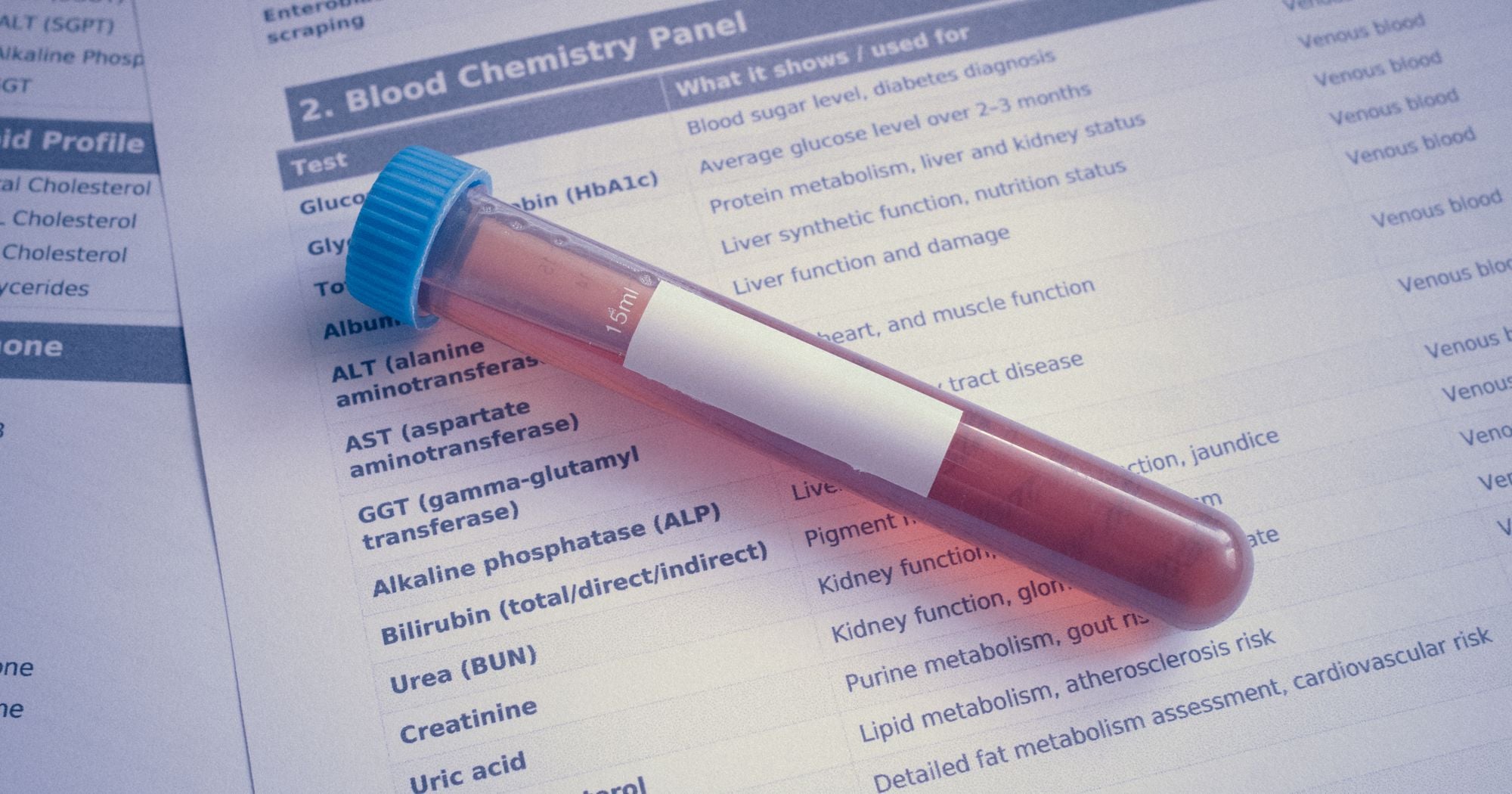
The notification arrives on your phone: your results are ready. You open the portal and find a column of abbreviations, numbers, and a few items marked in red or flagged with an H or an L. Your heart speeds up before you have understood a single line. This experience is extremely common, and it is not a sign that you are doing anything wrong. Lab reports are written for clinicians, not for patients. With a little background, you can read yours with more confidence and walk into your next conversation with better questions.
What a lab report actually shows
A lab report lists the test name, your result, the unit of measurement, and a reference range. The reference range is the span of values seen in most healthy people tested by that laboratory. It is usually built from a statistical middle portion of a healthy population, which means a small share of perfectly healthy people will fall slightly outside it. Ranges also vary by laboratory, age, and sex, so always use the range printed on your own report.
Why "abnormal" does not always mean "disease"
A flagged value simply means a number sits outside the reference range. It does not diagnose anything on its own. Hydration, a recent meal, intense exercise, a cold, stress, medications, and even the time of day can nudge results. A mildly out-of-range value is often repeated to see whether it was a one-time fluctuation. Likewise, a result inside the range is not always reassuring if it has changed sharply from your usual numbers.
Common panels and what they look at
Most routine blood work falls into a few familiar groups:
- Complete blood count (CBC): counts red cells, white cells, and platelets. It can point toward anemia, infection, or other blood conditions.
- Basic or comprehensive metabolic panel: measures glucose, electrolytes, kidney function markers such as creatinine, and in the comprehensive version, liver enzymes and proteins.
- Lipid panel: reports total cholesterol, LDL, HDL, and triglycerides, which help estimate cardiovascular risk.
- Hemoglobin A1c: reflects average blood sugar over roughly the past three months and is used to screen for and monitor diabetes.
- Thyroid stimulating hormone (TSH): a screening measure of how the thyroid gland is functioning.
What the research says about context
Clinical guidelines consistently emphasize that test results should be interpreted alongside symptoms, medical history, family history, and physical examination. Cardiovascular risk, for example, is generally estimated from several factors together, including age, blood pressure, smoking status, and cholesterol, rather than from one number. Trends over time are also valuable. A fasting glucose that rises gradually across several years can be more informative than a single reading, which is why keeping your past reports matters.
Practical tips for reviewing your results
- Look at the reference range printed next to each result, since it differs between laboratories.
- Compare results to your own past values, not just to the range.
- Note whether you fasted, were ill, or took supplements before the draw.
- Write down questions before your follow-up conversation.
- Ask what a result means for your decisions, not only whether it is normal.
Be careful with internet searches
It is natural to search for a result the moment you see it. Search results tend to surface the most alarming possibilities, and they cannot account for your age, history, or the circumstances of your blood draw. If a result worries you, write down the test name, the value, and the range, and bring those to a clinician who knows your story.
Talk it through with someone who knows you
Numbers on a screen are only part of the picture. If you have questions about your own results, or you would like help making sense of them in the context of your health goals, call the office to talk with Elena Chetver, MD. You deserve to understand your health information, not just receive it.