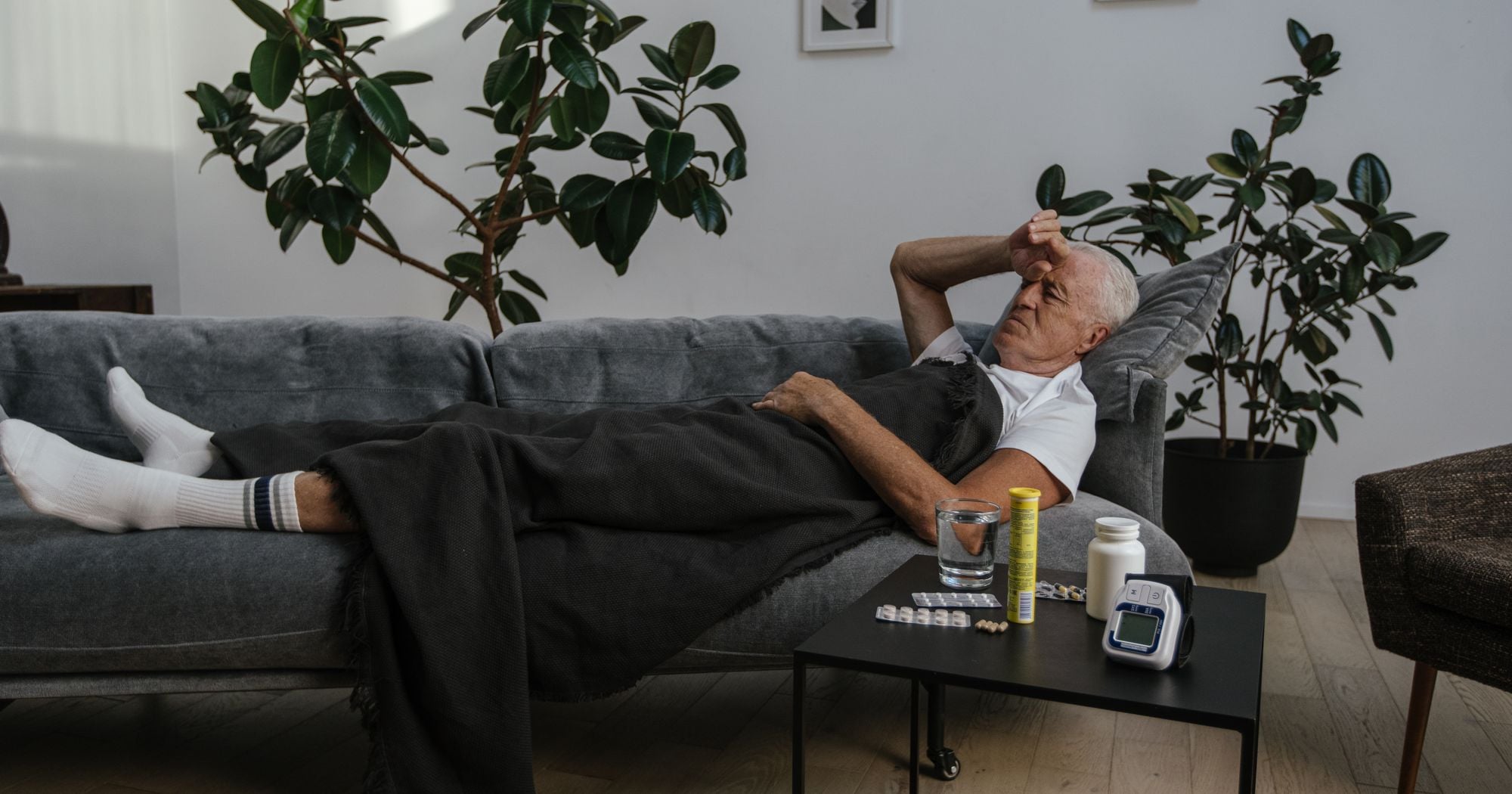
There is a particular kind of tired that arrives with the first scratchy throat of winter. You cancel plans, miss work, and wonder whether it was the handshake last week or the crowded train this morning. Cold and flu season touches nearly every household, and while you cannot eliminate your risk, you can meaningfully lower it. This guide covers what these illnesses are, who is most affected, and the habits that make the biggest difference.
Colds and flu: what is the difference?
Both are respiratory illnesses caused by viruses, and they can feel similar at first. Colds are usually milder and come on gradually, with a runny or stuffy nose, sneezing and a sore throat. Influenza tends to arrive suddenly and hits harder, with fever, body aches, chills, headache, fatigue and a dry cough.
COVID-19 and RSV also circulate in colder months and can look much the same. Symptoms alone often cannot tell them apart, which is one reason testing can be helpful when symptoms are significant or you are at higher risk.
Who is most at risk?
Anyone can get sick, but some people are more likely to develop complications such as pneumonia, dehydration or a flare of an existing condition. Higher-risk groups include:
- Adults 65 and older
- Young children, especially under age five
- Pregnant people
- People with asthma, COPD, heart disease, diabetes or kidney disease
- People with weakened immune systems
If you live with or care for someone in one of these groups, your own prevention habits protect them too.
What the evidence says about prevention
Vaccination remains the most effective single step. Flu vaccines vary in effectiveness from year to year, but they consistently reduce the risk of illness, and even more reliably reduce the risk of hospitalization and severe disease. Updated COVID-19 vaccines and, for eligible groups, RSV vaccines add further protection.
Hand hygiene has solid research behind it as well. Regular handwashing reduces the spread of respiratory and gastrointestinal infections. Sleep matters too: studies have found that people who sleep less are more likely to catch a cold after being exposed to a virus.
Good ventilation, opening windows when practical, and wearing a well-fitting mask in crowded indoor spaces during peak season or when you are at higher risk can also reduce exposure.
Everyday habits that help
- Get an annual flu vaccine; it is recommended for most people six months and older.
- Wash your hands with soap and water for at least 20 seconds, especially before eating and after being in public places.
- Avoid touching your eyes, nose and mouth, which are the main entry points for viruses.
- Aim for seven or more hours of sleep, since short sleep is linked to a weaker response to infection.
- Stay physically active, drink enough fluids and eat a balanced diet rich in fruits, vegetables and protein.
- Stay home when you are sick, and ask others to do the same.
If you do get sick
Most colds and many cases of flu improve with rest, fluids and time. Fever reducers and pain relievers can ease symptoms, and saline rinses, humidified air and warm liquids may soothe congestion and a sore throat. Antibiotics do not work on viruses, so they are not helpful for colds or flu.
For influenza, antiviral medication can shorten illness and reduce complications, but it works best when started within the first couple of days of symptoms. That is a good reason to reach out early if you are at higher risk.
When to seek care
Seek urgent medical attention for trouble breathing, chest pain or pressure, confusion, severe or persistent vomiting, signs of dehydration, or a fever that returns after improving. Call your doctor if symptoms last more than about ten days, keep worsening, or if you have a chronic condition that feels unstable.
You do not have to navigate the season alone. If you have questions about vaccines, a plan for managing a chronic condition through winter, or symptoms that concern you, call the office to talk with Elena Chetver, MD about the right next step for you.